Day News Recap: Middle East tensions flare as Ukraine, Europe and markets react
Iran widened pressure on shipping by striking two commercial tankers outside the Strait of Hormuz within 24 hours, while a separate tanker was hit by multiple projectiles off the north coast of Qatar, deepening fears over Gulf trade routes. 🔗 🔗Those attacks fed a broader surge in Middle East risk, with oil and stocks swinging on renewed fears of supply disruption, and the G7 agreeing to release 100 million barrels of oil and diesel from emergency stockpiles over four months to cushion shortages. 🔗 🔗In Yemen and Saudi Arabia, the conflict escalated further as Riyadh said Houthi attacks on two... [Continue Reading]
 360LiveNews Recap | 08 Oct 2026 18:23 LONDON

Sponsored
Noontime News Recap: Ukraine strike kills civilians as UK and Israel row deepens over Jerusalem
Local authorities in eastern Ukraine say a Russian strike on passenger buses in Kramatorsk has killed civilians and wounded others near the frontline, underlining the continuing danger for people living close to the war zone. 🔗In Russia, a major Yandex data centre was forced to suspend operations completely after a suspected Ukrainian drone attack, adding to the disruption caused by cross border strikes on critical infrastructure. 🔗In the Middle East, Israel said the British consulate in East Jerusalem was ceasing operations and that most diplomats would end their assignments and leave the country, but Britain rejected the move and said... [Continue Reading]
360LiveNews Recap | 08 Oct 2026 12:23 LONDON


How Gaza war sped up India's shift towards Israel under Modi
India's deepening ties with Israel have come into sharper focus after a September 2025 visit by Israel's far-right finance minister, Bezalel Smotrich, who was welcomed in New Delhi with garlands and taken on a multi-city trip. During the visit, he signed a trade deal in the Indian capital, visited the stock exchange in Mumbai and travelled to Gujarat, the home state of Prime Minister Narendra Modi. The trip took place while Israel was carrying out its war in Gaza, and it highlighted how far New Delhi has moved from its earlier position as one of the world's staunchest supporters of... [Continue Reading]
360LiveNews | 08 Oct 2026 10:05 LONDON


UK keeps Jerusalem mission open after Israel orders consulate to end functions
Britain says its Jerusalem mission will remain open at a reduced scale after Israel moved to end the functions of the long-running consulate in East Jerusalem. The dispute is tied to UK sanctions on Israeli settlements in the occupied West Bank, which Israel said it was answering with retaliation. The latest step keeps the building operating, but under a new name and with a smaller diplomatic footprint.Foreign Secretary Ed Miliband said the consular building would not close and would instead be known as the UK Mission, Jerusalem from Thursday. He said the mission would continue to deliver vital services and... [Continue Reading]
360LiveNews | 08 Oct 2026 09:59 LONDON

Sponsored


Israel says British consulate in East Jerusalem is ceasing operations as UK rejects closure
Israel says the British consulate in East Jerusalem is ceasing operations, with most diplomats ending their assignments and leaving the country. The announcement came as the United Kingdom said the building itself would remain open and would instead operate as the UK Mission, Jerusalem. The dispute is the latest escalation in a row over British sanctions and trade restrictions linked to Israeli settlements in the occupied West Bank.Israeli Foreign Minister Gideon Sa'ar said 20 diplomats, including the consul general, were ending their duties, while a small task force of no more than seven diplomats would be allowed to continue with... [Continue Reading]
360LiveNews | 08 Oct 2026 08:59 LONDON
Breakfast News Recap: Middle East tensions flare as Israel marks 7 October anniversary and oil jumps
Oil prices and global stocks swung as traders reacted to renewed fears of disruption to Middle East supply routes, with crude rising on reports that Iran appeared to be preparing a response and investors watching the risk to shipping and energy flows. 🔗Security concerns widened after UKMTO said a tanker sailing off the north coast of Qatar was struck by multiple projectiles, adding to worries over maritime traffic in the Gulf. 🔗In the region’s wider conflict, Saudi Arabia said Houthi attacks on two airports killed three civilians, including three foreign nationals, and injured 36 people over two days, while Yemeni... [Continue Reading]
360LiveNews Recap | 08 Oct 2026 08:38 LONDON


Gaza City strike kills Christian mother and daughter as church leaders mourn
A strike in Gaza City has killed two Christian women, Maysa Abu Daoud and her daughter Mary al-Najjar, in the Remal neighbourhood, according to the supplied report. The attack hit the ground floor of a building and left five Palestinians dead in total. Their funeral was held at Saint Porphyrius Church in Gaza City's Old City.The Latin patriarch of Jerusalem, Cardinal Pierbattista Pizzaballa, said he was deeply sorrowed by the killing and extended condolences to the women's family and to Gaza's Christian community. Palestine's Higher Presidential Committee for Church Affairs said the two women had devoted time to helping parishioners... [Continue Reading]
360LiveNews | 04 Oct 2026 09:35 LONDON
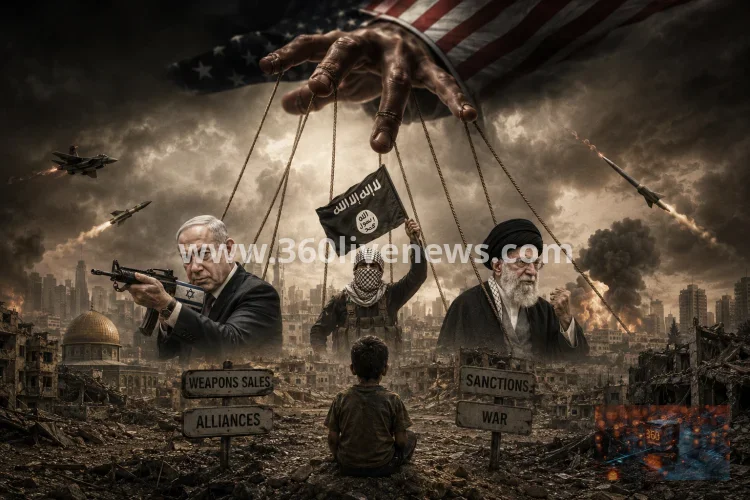
Fear the Shia, Arm the Sunnis: The Uncomfortable Numbers Behind America’s War Narrative
“When fear is managed carefully enough, a nation can be taught to look away from the blood on the floor and stare instead at the shadow on the wall.” A friend of mine, whose name I will not reveal because he asked me not to, sat across from me over dinner and placed a question on the table that would not leave me alone. He was born into a Muslim Shia background, and for the angle of this article, that detail matters, not because I wish to reduce a man to a sect, but because sect has become one of... [Continue Reading]
360LiveNews-Opinion | 23 May 2026 08:00 LONDON

Sponsored
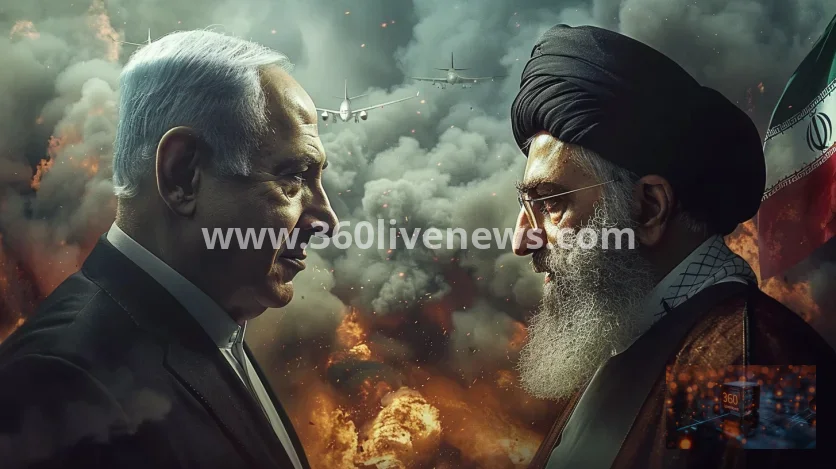
The Madness of Power, From Balfour to the Edge of World War Three
A Voice in the Wilderness of War: Who Still Dares to Speak Truth While Empires March There are moments in history when the world suddenly accelerates toward disaster, moments when anyone who has studied history can feel the temperature rising even before the explosions reach their peak. The current escalation in the Middle East is one of those moments. According to the facts we now see unfolding, the United States and Israel made the unilateral decision to attack Iran without the approval of the United Nations, without a global coalition mandate, and without the support of most of the international... [Continue Reading]
360LiveNews-Opinion | 06 Mar 2026 17:20 LONDON